
Best Cheap Eats Middle Eastern Restaurants in Westwood
3 hand-picked restaurants, critic-reviewed and ranked
Last Updated: February 2026
Our Top Pick
Naab Cafe
Halal Persian café mixing hearty plates, sandwiches, and late-night energy.
Notable Picks
#1
Naab Cafe
8.2
Vibes:
Cheap Eats Budget Brilliance
Quick Bites Champions
Late Night Legends
Group Dining Gatherings
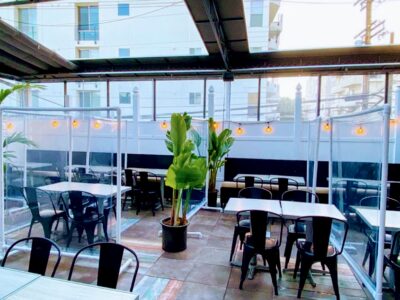
Naab Cafe is a casual halal Persian–Mediterranean spot where kabob plates, ash reshteh, and sandwiches share space with hookah and late-night crowds. It’s the kind of flexible Westwood address where you can grab a quick lunch or linger over big platters with friends well past typical dinner hours.
Must-Try Dishes:
Beef koobideh plate with saffron rice, Cornish hen kabob, Ash reshteh soup
What Makes it Special: Halal Persian café mixing hearty plates, sandwiches, and late-night energy.
#2
Cafe Glace
8.2
Vibes:
Cheap Eats Budget Brilliance
Sweet Treats Escapes
Instagram Worthy Wonders
Late Night Legends
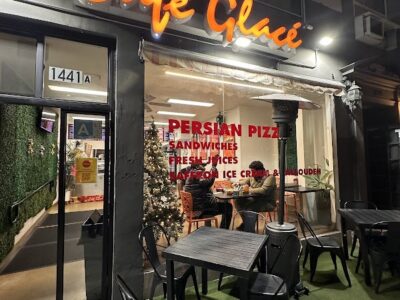
Café Glacé is a Persian-influenced cafe where Crazy Fries and Special Fries sit alongside sandwiches, Persian tacos, and saffron ice cream. Students and neighborhood regulars drop in for oven-baked fries piled with mortadella, hot dogs, cheese, and sauce, then linger over milkshakes and coffee drinks.
Must-Try Dishes:
Crazy Fries, Special Fries, French Fries
What Makes it Special: Persian-inspired cafe where loaded Crazy Fries share the menu with shakes, Persian tacos, and saffron ice cream.
Worthy Picks
#3
Falafel Inc
7.9
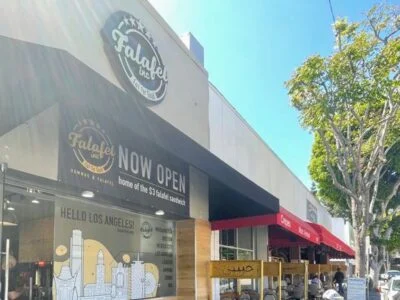
A counter-service Mediterranean spot built on Palestinian family recipes, with za'atar sourced from the founder's own farm — the kind of provenance detail that shows up in the food. Every $10 spent feeds a refugee through the World Food Programme, which gives the low price point a second purpose beyond just being one of Westwood's cheapest solid lunches. It runs like a college-town fuel stop — fast, clean, no frills — and the 84% five-star rate across 276 reviews says the falafel and shawarma wraps land consistently.
Must-Try Dishes:
Falafel Sandwich, Chicken Shawarma Wrap, Zaatar Fries
What Makes it Special: Social enterprise where every $10 spent feeds a refugee for a day through the World Food Programme, built on the founder's Palestinian mother's recipes with za'atar imported from the family farm.